Adventure Time
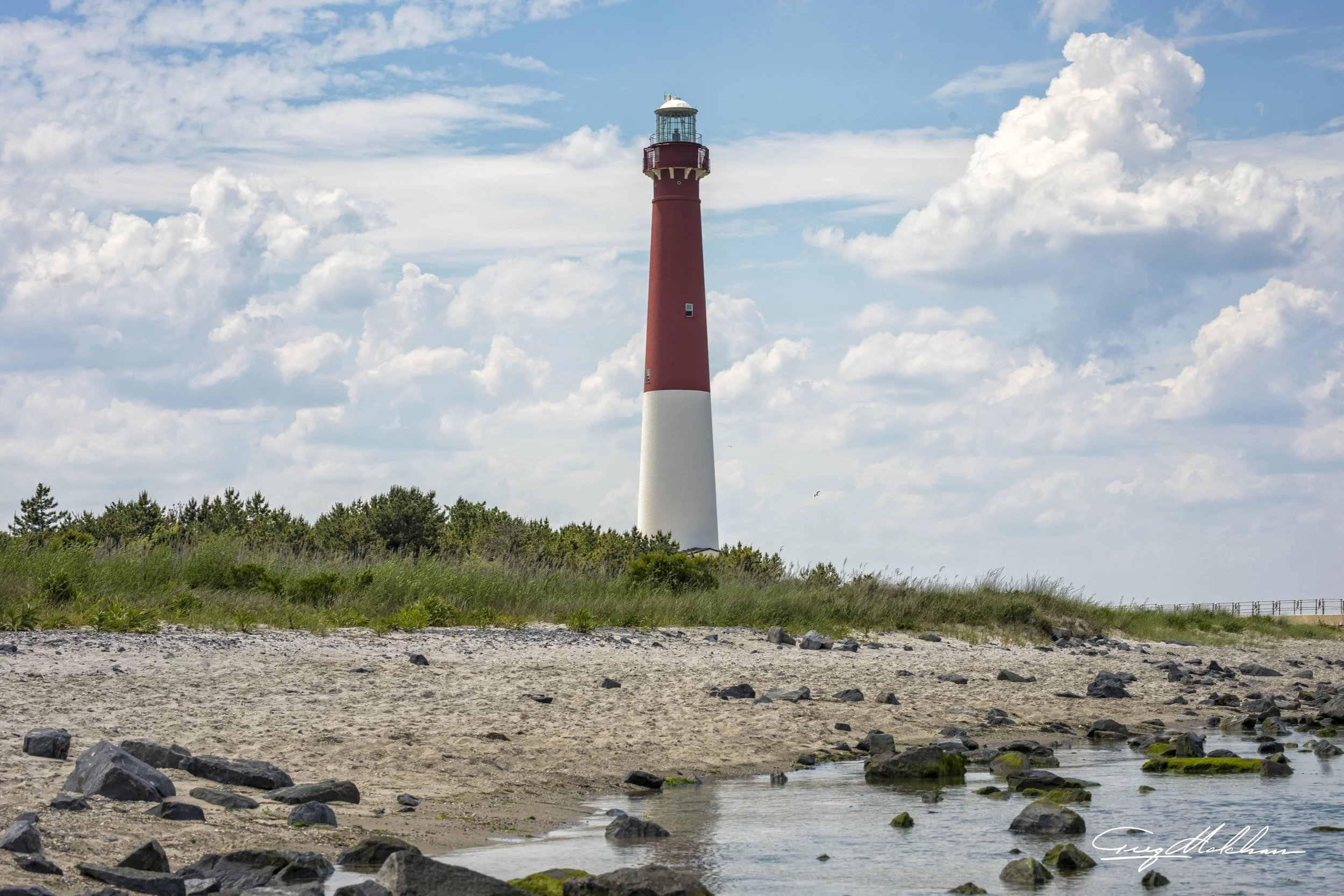
Barnegat Light
We’re nearly half way through 2024.
Not gonna lie: I’ve had little time for photography.
And bluntly, little motivation.
A lot of that is me trying to keep up with work, seeing what is going on in the US and around the world, and so on.
The usual stresses we all deal with each day.
It does seem like a lot more to cope with over the last several months as we approach an election in which the US will choose democracy or fascism.
And in which the fascist side will do all they can to take power even if we do collectively reject them.
Some getting older stuff making its way into my life, too. I’ve started wearing contacts, for instance.
Glasses when my very narrow eye sockets aren’t cooperating.
Case in point: the contact for my left eye popped out this morning after rubbing said eye.
So I’m a contact pirate today, since I don’t want to have an uneven number of left and right contacts to work with going forward.
I’m still not a pro at putting the contacts in. I probably still spend 10 to 15 minutes each morning on average.
Little time wasters like this leave me wanting to spend hours each day doing nothing to balance it all out.
By the time the weekend gets here, I’d rather rejuvenate and recover than go on a strenuous hike with lots of camera gear on back.
I did make myself do all that on Friday, since I took the day off from my day job.
I’m moving to New England in about 6 weeks. I’m definitely excited.
Also feeling a little nostalgic.
With that in mind, I drove down to Long Beach Island and spent the day between there and nearby Barnegat Light.
I last visited the area in May of 2018. I came away with a nice black and white composition of Barnegat Light on that occasion.
Of course I took photos with my phone while I was puttering around LBI. But I opted not to lug my camera pack around with me during that part of the day.
I reasoned, correctly, that I’d needlessly sweat for several hours and not see anything that moved me enough to want to stop, rummage through my bag, set my tripod up, and compose something.
So I just leisurely strolled on the beach and around town while occasionally stopping to take a quick photo on my phone or message friends.
I got to pet two beautiful dogs their human was walking. I stopped for salt water taffy and a sub for a picnic lunch before heading out.
I was more business like when I got to the light house around 1 PM or so and scouted the park for likely compositions.
This was not quite so straightforward given the time of day I arrived and the number of people who were there.
I grew impatient more than once waiting for slow movers to wander out of frame at the first place I set up.
I was able to get it down to just one person in frame but couldn’t do better.
I might try using AI to see if I can get rid of that lone figure.
I also think Photoshop might have a lot of difficulty with that, as the person is leaning against guard rail.
So I moved farther away to see if that would present me with a view that eliminated any tourists.
:: In my best Lumpy Space Princess voice:: And then the drama started.
I’ve been at this for about 15 years now and do most things by rote. Including checking that I have secured my camera to my tripod before turning away from it.
I did check it on this occasion.
So I thought my camera was secure.
It wasn’t.
Maybe a second after I went to put things back in my pack, I heard the sound of my camera smacking into rock.
It fell lens first, as you might expect.
The “bad” news: my nifty 50mm was destroyed in the fall.
That isn’t upsetting at all. My first thought was that I got more than my $50 dollars worth out of it, as I had bought it used 10 years prior.
The okay news: my far more expensive camera works and did not take any serious damage.
However, the battery door no longer stays shut on its own.
This particular mechanical problem is common enough that I was able to buy two replacement battery doors on Amazon when I got home for like $10 each.
I was surprisingly calm in the moment.
In saying that, I’m imagining that younger me would have been extremely upset before checking things over and still extremely upset after assessing the damage.
Younger me, though, doesn’t have the life experiences I’ve accumulated over the last 20-30 years.
I’m not going to pretend I would be happy about having to replace a camera I paid $3200 for if the damage had been more extensive than a flimsy piece of plastic that springs to latch the battery door.
But I’ve been through far, far worse.
I ended up taking photos handheld for about another 15 to 20 minutes. I was able to hold the battery door closed with the palm of my right hand and still steady the camera well enough to get sharp photos.
I also had to switch to my 85mm lens.
I considered using my 24mm, too, but that would have made the lighthouse much less prominent. And I would have ended up with people in frame.
I’ve also taken to using my camera phone as a back up in case for whatever reason photos on my dedicated rig don’t turn out.
I came away with several decent compositions that way. Though with people in frame…
I’m not going to get into what I like and don’t like about this photo. Overall, I’m pleased with what I was able to get after a rookie mishap.
Removing People Using AI
Before I get into today’s share in depth, I thought I’d point out that I’ve changed my signature in my photos. It’s the same one I’m using across my website.
I paid a modest fee for the one I was using before, which you’ll see in one of the three images I’m comparing in today’s blog entry. It was based on my own handwriting but done by someone else.
The one I’m now using is all me. I’ve updated it a bit to have a little more flare while also adopting a more minimalist capital G.
So, like it or not, AI is here—it’s been around in photography for around 8 or 9 months with adobe’s generative fill tool in Photoshop—and it’s not going away.
There’s already lots of debate and outrage at the implications regarding how AI might be used in other industries, film being the most obvious one.
And worries about AI being used to spread misinformation in a world already hyper saturated with misleading content aimed at influencing us in one way or another seem justified.
In photography, we’re at a point where we might want to question the authenticity of a photo. Some things we might want to consider on this front include:
How was the photo manipulated using AI? Or how much of it? Does this matter to us? Does it diminish the quality of the art?
Is the place we’re looking at in a landscape image real? What if after seeing the composition we decide to go there, only to discover after carefully planning part or all of our trip around that and getting to the place that we’ve been tricked?
Did the photographer even take a photo, or did they generate a dramatic landscape without ever getting up from their computer?
To at least address the manipulation of a photo question, I’m not too worried.
The truth is that photos have been altered, edited, or whatever for much of the existence of the art form.
Ansel Adams wasn’t the first to apply dodge and burn in order to darken and lighten specific areas of his compositions, but he made it into an art form in and of itself.
I do think the likelihood that some people will use AI in photography unethically is high. But I also think, as with anything else, that will be an extremely small minority of people.
Most photographers I follow and study, like me, are pretty particular about making compositions appealing in camera. Post processing is meant to bring out what is already there.
AI will help with workflow and can make turning a very good photo into an outstanding one less of onerous task.
Thanks for bearing with me on all that background before getting to the meat of today’s discussion.
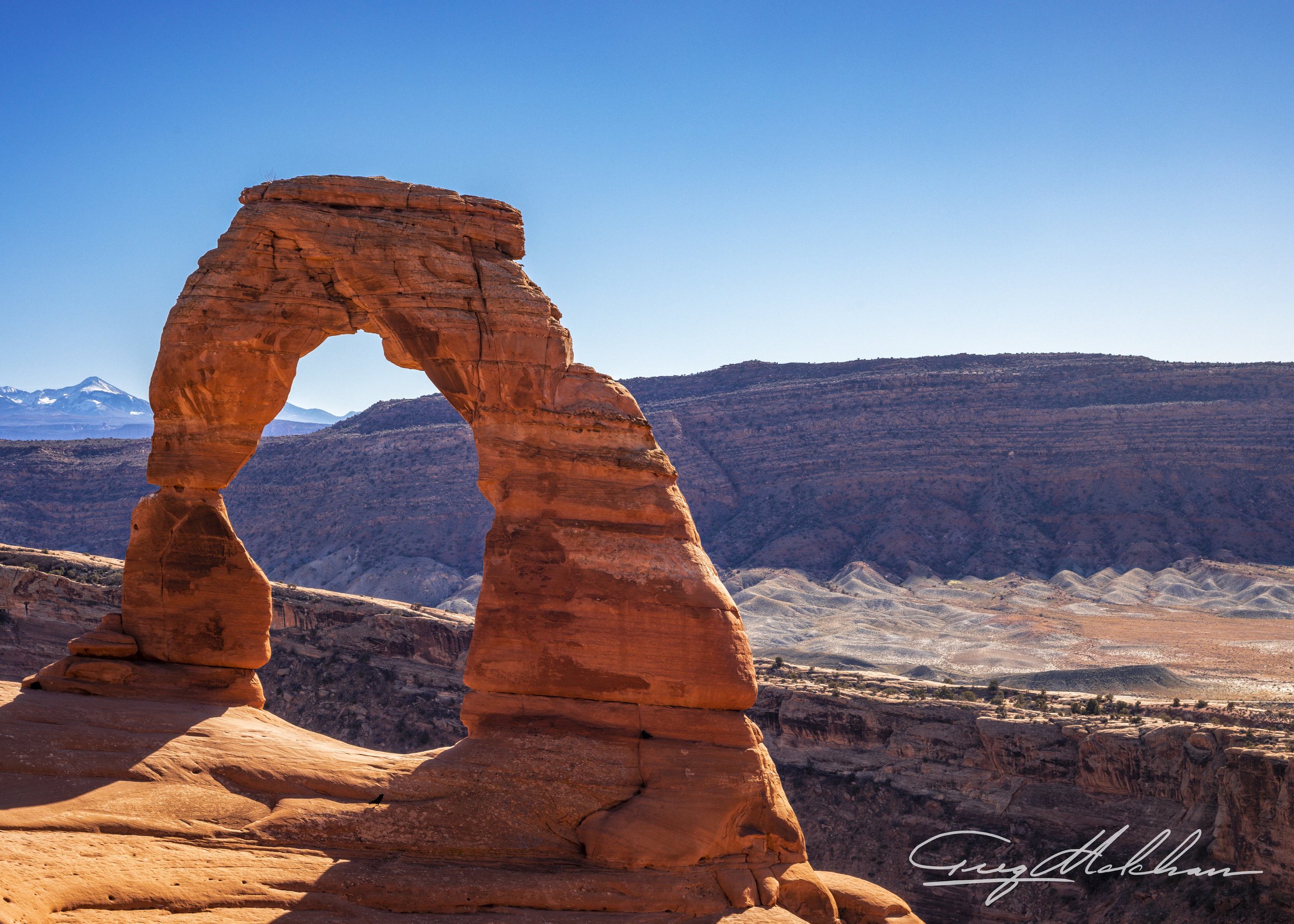
The three images I’m sharing are all based on a single photo I took after hiking to iconic Delicate Arch in Utah back in 2021.
This first image is the original, unedited exemplar.
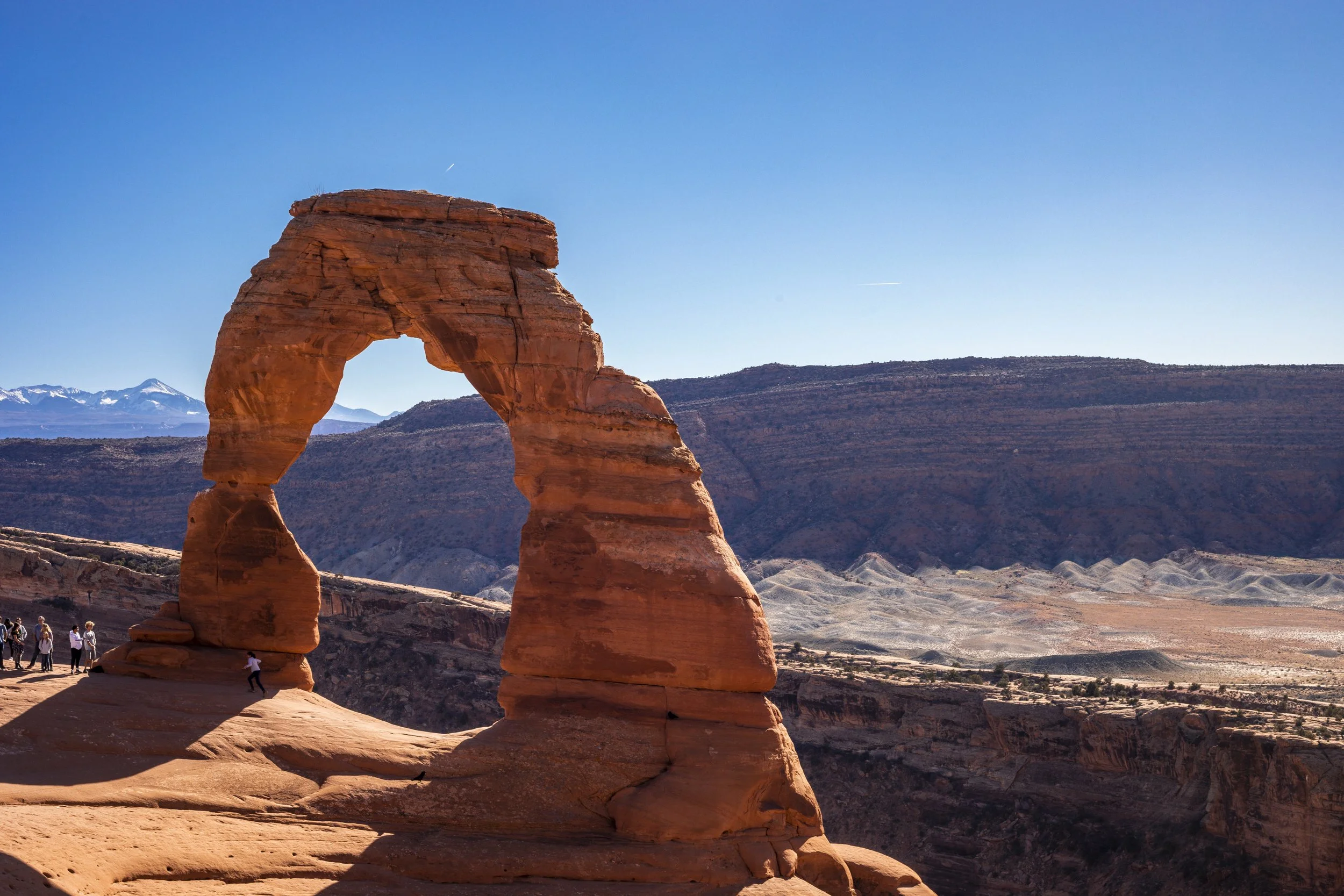
There are times when including people can lend drama to a landscape photo.
I suspect that can even be true if your intention is to make a subtle or not so subtle comment on what crowds of people waiting their turn to be photographed in front of something considered iconic says about humanity and modern life.
However, that was not my intention on this occasion, and there was a GIANT line of people that you cannot see out of frame at left.
I knew that would be the case just from parking my car when I visited, as I had to circle around for 30 minutes before I was able to get a spot.
Conditions weren’t ideal either, with long shadows creeping outwards from the sandstone towards where I was standing in the afternoon hours.
I played around with lightening those back when I first edited the image, with no success. I couldn’t improve upon that with AI either, though I’m still new to using it for this sort of thing.
Here’s my first effort at post-processing, without the aid of AI.
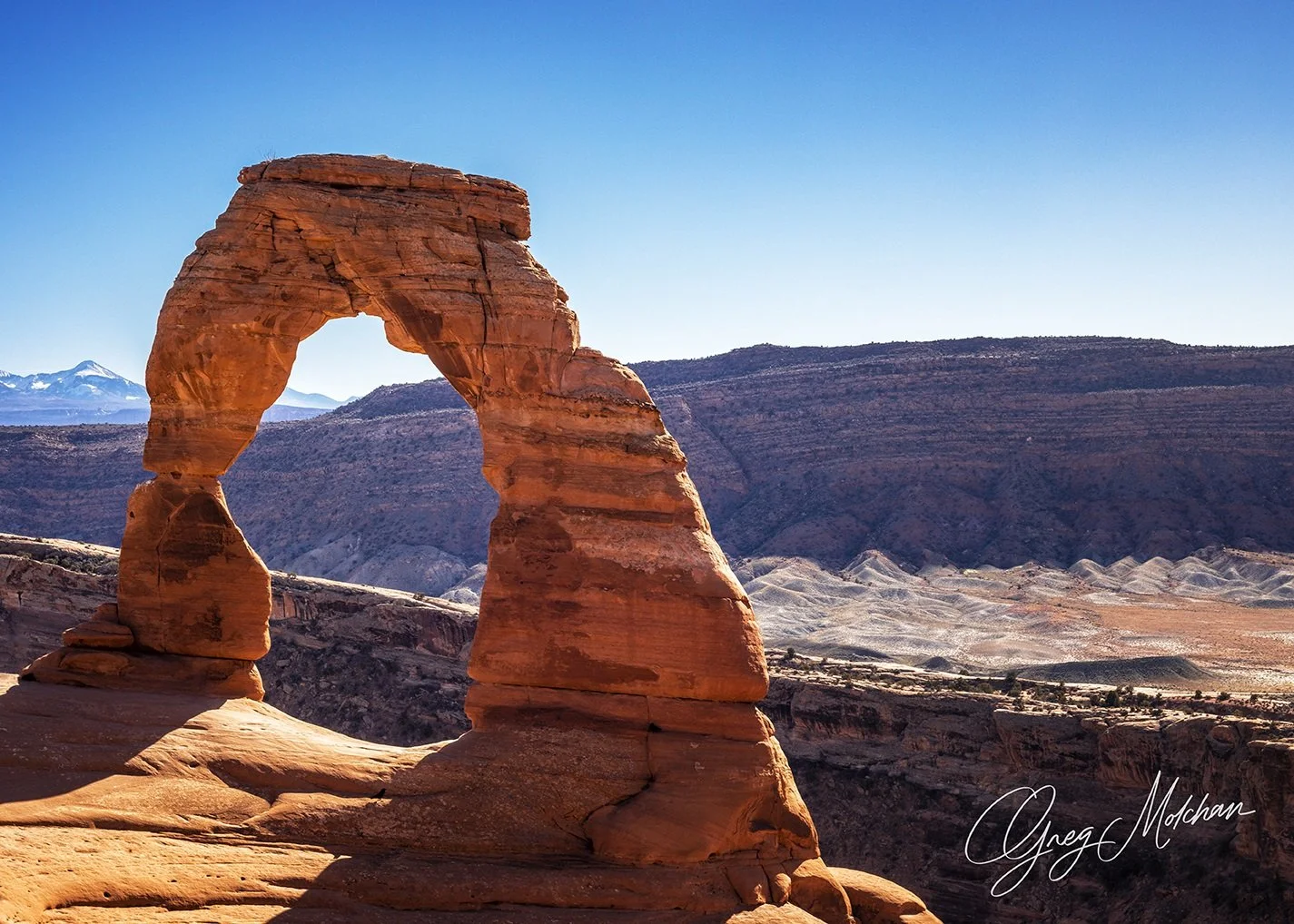
While images naturally vary a great deal depending on the kind of scene, the weather, time of day, and so on, I follow a standard workflow in general.
This consists of cropping if needed, applying a curve to the lighting, adding GND, Tonal Contrast, and Darken / Lighten Center layers to fine tune things, and cleaning up any distracting elements and/or stray artifacts.
I read years ago that if you’re spending more than 5 minutes editing, you’ve likely not taken a good photo.
That’s patently false, but I try to stick to it simply because I don’t want to agonize over my compositions.
All that to say I spent a LOT longer—probably around an hour--manually eliminating the people so that I could share something that looked close to “real” and wasn’t sellable in my opinion anyway.
I needed to google how to do all that using generative fill this AM.
Even while I’m a beginner when it comes to AI, I don’t think I spent more than 5 minutes removing tourists from the scene using Photoshop’s built in tools.
And there is much less “wrong” with the photo with AI taking the wheels, in my view. Though I still wouldn’t sell something like this.
In both the non-AI and AI versions, I know where things look off from using removal techniques. They’re in the same vicinity, in fact, since I was eliminating the same stuff in each instance.
I’m not going to go through that and instead invite you to see if you detect anything that looks weird.
I’ll end by saying I do think there are very appropriate uses for AI in photography.
For one, it does a very good job of getting rid of imperfections in an image caused by dust on the sensor showing up as spots in the photo, deleting distracting or unpleasing snow or rain drops, and the like.
There are also legitimate reasons why someone would want to erase people from their personal photos.
Think those occasions where you’re on vacation and capture a great memory that would be an otherwise perfect photo except for the person who was walking by and wandered into frame, and no other photo has you looking just right to your eye.
From a professional standpoint, you don’t have the consent of people occupying the background of your photo.
Everyone understands that privacy ends when you’re in public areas. Hence the paparazzi business being so lucrative and technically legal if rather distasteful.
But my goal typically isn’t to photograph anyone so that they are recognizable in my work.
With AI, I can now practice my craft more ethically when possible and appropriate while making a composition I might otherwise not have been able to at times when I’m also a tourist like everyone else.
Until next time!
Memories of Spring
Happy Mardi Gras, y’all!
Fat Tuesday in these parts was accompanied by snow that started in the wee hours and continued through late morning.
Not really digging it, though my area didn’t get the worst of the silent storm by any means.
While not the primary reason I decided to launch this website, I do plan to sell prints in order to support my work as a photographer.
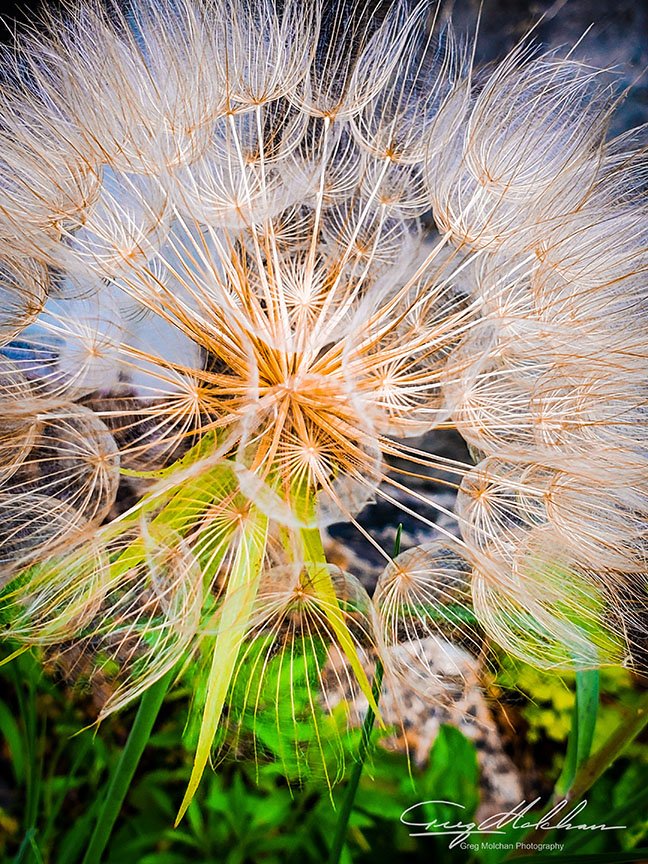
With that in mind, I’m sharing a photo of a limited run of just five prints that I am offering on a first-come, first-serve basis. The first in the series is already spoken for.
I happened to make this composition on a late spring day.
The title Memories of Spring came to me of its own accord, and it fits rather well with the mood here as the mid Atlantic region shrugs off wintery weather and thinks hopeful thoughts about warm spring days to come.
My mood at any rate!
Prints for this run are on semi-gloss Canson Infinity Baryta Photographique II paper and are 13x16 in. They can be trimmed to 11x14 to fit standard frames. Printed area is approximately 9 x 12.
Each remaining print in the series is signed and marked as 2/5, 3/5 and so on.
All prints in this limited run are $100 + S&H. I will ship worldwide. Please allow up to 14 working days for prints to ship once I have received payment.
You can use the form section of the home page or on the contact page to get in touch with me. I accept PayPal and Venmo for purchases of this print.
I’m going to use similar text when I get the full blown online store up and running, but I think stating my philosophy on what you are doing when you are buying my work and how that factors into pricing is important to cover here.
Firstly, you aren’t paying for the paper and ink.
There’s a story about a woman seeing Picasso in a restaurant and asking him to sketch her.
It may or not be apocryphal or wrongly attributed to Picasso, and different variants of the story likely exist. I heard it told like this.
The anonymous woman says she’ll happily pay whatever Picasso asks. He proceeds to make a quick sketch of her on a napkin and then states that the price for his effort is $10,000.
I suspect the price also differs depending on the telling. A large sum in any case.
Shocked, the woman tells Picasso something along the lines of, “But that only took you 30 seconds!”
To which Picasso responds, “No. That took me my whole life.”
Whether you buy into this story as a real event or not, it illustrates my point.
Namely, when you buy one of my prints, you are paying for all of the technical know-how and aesthetic sensibility I have developed over the last decade and change.
And you are paying for how I have used that accumulated wisdom to produce the composition that arrives at your doorstep.
When you think of my service this way, the price point for one of these limited prints is low.
Here’s to spring when it arrives!
My First Blog Entry!
Welcome to those of you who are new here and to those of you who have followed me at my old wordpress site.
A brief introduction for folks who don’t know me is in order.
I’m Greg. I’m a professional writer during business hours and a landscape photographer when I’m not doing that.
I grew up in New Jersey and have lived up and down the Eastern seaboard. I also spent a decade in Louisiana before eventually returning to the garden state.
I’ve been snapping and sharing photos for the past 15 years or thereabouts. Places I’ve gone to photograph outside of my home base include the Smoky Mountains, upstate New York, Utah, and Maine.
On the international front, I spent about two weeks in Belize in 2022. I’ll be going abroad again in March of this year, so stay tuned for blog posts on that trip!
To get a better sense of who I am and why I do what I do, please check out the About Me page.
I’ve worked hard over the last month to get this website to a place where I felt like I could publish it.
While the site is “finished” in that sense, I will also be adding a great deal to it on an ongoing basis.
That will include a store where you can purchase my work!
Please feel free to inquire about prints before the store is up and running. I’ll be sharing a limited run I put together in an upcoming blog post with that in mind.
My custom when I write up a blog post has been to share a composition and discuss a relevant topic.
I don’t always reflect on the photographic process in my entries, though more often than not I do.
Sometimes I’ll get quite technical.
Others I’ll delve into a connecting subject, whether that’s a piece of literature the image reminds me of, a connection with a friend, the loss of a pet, what’s going on in the world, and so on.
Even when I’m talking about challenges I faced when putting together the final image that you get to see on your screen, I write in my natural voice.
Well, at least how I naturally sound on paper after spending a lifetime perfecting my unique voice.
On to the first photo itself!
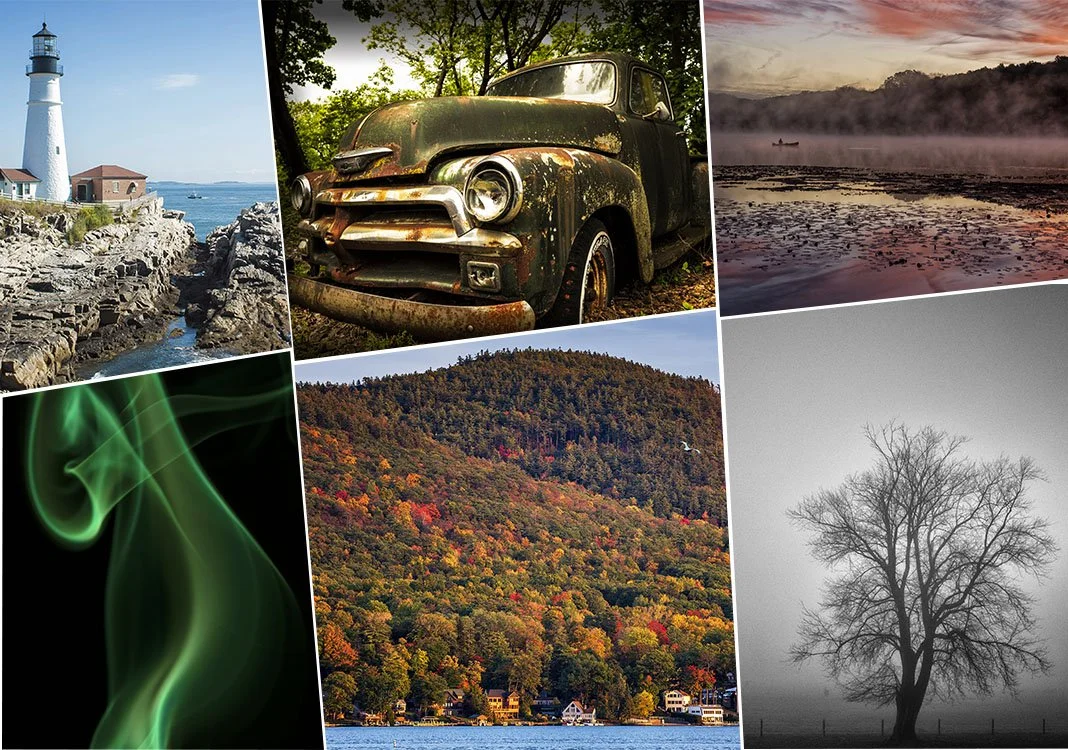
As you can see, it’s not a single photo but a collage.
I initially intended to use it as the gallery banner image for this site.
A good deal of elbow grease went into making it, I can tell you.
I wasn’t sure how I was going to get to the look I wanted in the current iteration of Photoshop and watched a ton of professional videos on how to put photos in shapes.
Those methods, while cool, weren’t really working for me.
What I ended up doing was make some frames and distort them into the resulting shapes. Then add images I had chosen and position them artfully within said frames.
I had some professional experience doing that sort of thing, though this was years ago, and it took me longer than I care to admit to remember how to do it!
After all that, I asked a good friend if they prefer the collage or a single image.
You can see for yourselves which one won out on my home page!
I’ll end this very first blog post with the expected but nonetheless very sincere kind of closing thought.
I am very excited to be launching this website and for you to be going on this photographic journey with me!